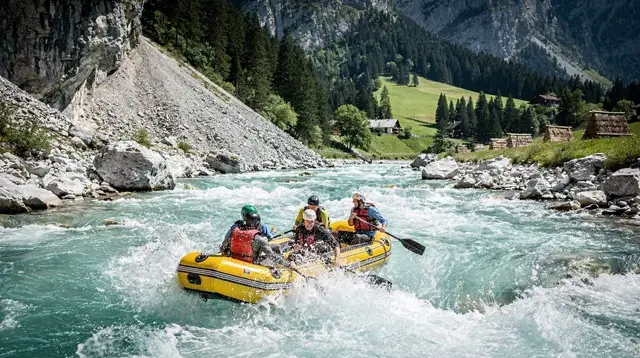
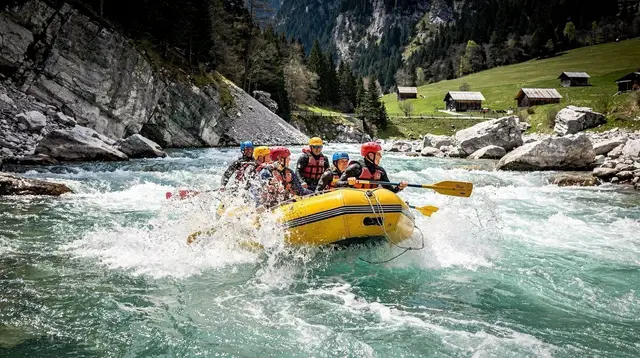
Kayaking the Soča River: A Quieter Way to Meet Its Turquoise Water
Can you kayak the Soča River without a guided rafting trip?
Yes — the Soča is paddled independently by kayakers with river experience, from calmer stretches near Kobarid and Tolmin to whitewater around Bovec. Water level and temperature swing sharply by season, and spring meltwater runs high and cold even on days when the valley itself looks warm and inviting.
A River Built for Paddling, Not Just for Rafting
Most people who type “Soča River” into a search bar are looking for a rafting trip, and the Soča Valley sells plenty of those — a guide in the boat, a fixed run, a photo at the end. This page is for a different reader: someone who already owns, or has already handled, a kayak, and who wants to meet the Soča’s famous turquoise water on their own terms rather than from the middle of a six-person raft.
That distinction matters because the two activities aren’t really variations on the same experience. Rafting is managed for you from put-in to take-out. Kayaking on the Soča is not — you read the water, choose your line, and decide, run by run, whether today’s level and temperature match what you’re prepared for. If that sounds like more responsibility than you want on holiday, the Soča River rafting guide or the region’s canyoning trips will serve you far better than anything on this page.
Who This Guide Is For — and Who Should Book a Guided Trip Instead
Be honest with yourself here, because the Soča is not forgiving of the wrong assumption. This guide assumes you can already:
- Read a rapid and choose a line before you’re in it, not while you’re in it.
- Wet-exit a kayak and self-rescue, or roll, without a guide’s hand on your boat.
- Judge, from watching a stretch of water, whether it matches your own skill level.
If any of that doesn’t describe you yet, the honest move is a guided kayak-experience trip with an instructor, on gear the operator has already matched to the day’s water, rather than renting equipment and heading out alone. The Soča Kayaking on the Soča River Experience is built exactly for that middle ground — real kayaks, real river, but with someone who knows the current flow reading it with you.
Why the Soča Looks Turquoise — and What the Color Doesn’t Tell You
The Soča’s color comes from fine glacial and limestone sediment suspended in fast, cold, oxygen-rich water — the same geology that produced the Skočjan Caves and the wider Karst further south, expressed here as a river instead of a cave system. It’s genuinely one of the most photographed rivers in Europe, and every photo shows the same thing: calm, inviting, almost tropical-looking water.
What the color does not tell you is the temperature or the flow rate underneath it. A stretch that looks like glass from the bank can be moving faster than it appears, and the water is cold enough, most of the year, to matter within minutes of a capsize — regardless of how warm and blue it looks from a bridge. Treat the color as a photograph, not a forecast.
Reading the Soča’s Water Level and Temperature by Season
This is the single piece of local knowledge that keeps kayakers safe on the Soča, and it’s also the detail most likely to be skipped by anyone assuming an alpine river behaves like a calm lake. It doesn’t — and the mistake goes the opposite direction from what most visitors expect: the water is at its highest, fastest, and coldest in spring, not at its most relaxed.
| Season | Typical water level | Typical water temperature | What it means for kayaking |
|---|---|---|---|
| Spring (Apr–May) | High, snowmelt-driven | Coldest of the year | Fastest, most demanding water; for experienced whitewater kayakers only, with full cold-water protection |
| Early summer (June) | Still elevated, dropping | Cold | Levels easing but still unpredictable after a warm spell upstream; check conditions locally before launching |
| Mid–late summer (July–Aug) | Lower, most stable | Cold but more manageable | The friendliest window for independent kayak touring on the calmer reaches |
| Autumn (Sept–Oct) | Lower, variable with rain | Cold, air temperature dropping fast | Good water, shorter days and cooler evenings to plan around |
| Winter (Nov–Mar) | Low, but conditions harsh | Very cold | Little independent kayaking activity; most operators are closed for the season |
Spring is the trap. The valley’s meadows are green, the air can feel mild, and the water looks exactly as turquoise as it does in July — but it’s running higher and colder than at any other point in the year, fed by snowmelt from the Julian Alps above Kranjska Gora and the Vršič Pass. A paddler who plans a relaxed spring float based on a summer photo is planning the wrong trip. For a broader read on when to come at all, see the best time for the Soča Valley and the valley’s dedicated rafting season guide, which tracks the same water levels from the rafting side.
Where Independent Kayakers Actually Paddle
The Soča isn’t one uniform river from source to sea, and independent kayaking tends to cluster on specific stretches rather than the whole length of it.
Kobarid and Tolmin — the calmer green water. The reaches around Kobarid and Tolmin, lower in the valley, carry gentler gradients and are where most self-directed kayak touring on the Soča actually happens: enough current to be interesting, without the sustained whitewater of the sections further upstream. This is also the stretch where kayaking, rather than rafting or canyoning, tends to feel like the right tool for exploring the water at your own pace, drifting close to the bank to look at the color rather than committing to a rapid.
Bovec and upstream — graded whitewater. Around Bovec, the river steepens into genuine whitewater with rated rapids, and this is the section most commercial rafting and kayak-experience trips run — under guidance, with the operator’s knowledge of that day’s specific flow. Independent paddlers who come here should already know the grade they’re comfortable on and should not assume a rapid looks the same two days running; the Soča’s level can change meaningfully after rain or a warm spell that accelerates snowmelt upstream.
If you’d rather have local water knowledge making that call for you on the harder sections, the Bovec: Whitewater Kayaking on the Soča River trip puts you on graded rapids with a guide who reads the day’s flow before you commit to a line.
Gear and Cold-Water Protection
The single most common mistake on the Soča — repeated often enough in the valley that it’s worth stating plainly — is treating the river like a warm-weather lake because the color says “tropical” and the calendar says “August.” It is neither. Pack and plan for:
- A proper wetsuit or drysuit, not a rash guard or swimwear, for any season. Water temperature, not air temperature, is what determines hypothermia risk.
- A helmet and buoyancy aid, non-negotiable on any of the faster stretches near Bovec, and sensible even on the calmer Kobarid–Tolmin water.
- Footwear that stays on your feet in current — the riverbed is stony and the current can pull a loose sandal away in seconds.
- A realistic exit plan — know where you can get out of the water before you get on it, not after.
Outfitters in Bovec and along the valley rent kayaks and full whitewater kit to independent paddlers who can demonstrate the relevant experience, but they will not rent to someone who can’t. That’s not bureaucracy; it’s the same cold, fast water that makes the river worth kayaking in the first place.
Permits, Access, and Rules on the Soča
There’s no permit system that blocks independent kayaking on the Soča — a persistent myth about Slovenia’s rivers and mountains that’s worth correcting rather than repeating (the same false idea circulates about hiking Mount Triglav, and it isn’t true there either). What does apply:
- Sections of the river run through protected areas of the Julian Alps and Triglav National Park, where access points and put-ins are managed to protect the riverbank rather than to gatekeep paddlers.
- Some stretches see heavy commercial rafting and kayak-experience traffic at peak summer hours; independent kayakers share the water and should expect it, especially near Bovec in July and August.
- Local outfitters and river guides are the best real-time source on that day’s level and any temporary restrictions after heavy rain — better than any fixed rule printed here, because the Soča’s condition changes with the weather upstream, not with the calendar alone.
Kayaking the Soča vs. Kayaking Elsewhere in Slovenia
Not every kayak trip sold under a Slovenia search has to happen on the Soča, and if the valley’s cold water and higher skill bar don’t match your trip, there’s a gentler alternative closer to the capital. The Sava River, which flows past Bled, offers a calmer, warmer, far more approachable paddle — genuinely suited to a first kayak outing rather than an alpine river.
| Soča River (Bovec / Kobarid / Tolmin) | Sava River (near Bled) | |
|---|---|---|
| Water character | Fast, cold, glacier- and karst-fed | Gentler current, milder temperature |
| Best suited to | Paddlers with existing kayak and whitewater experience | Beginners and families wanting a first kayak experience |
| Season sensitivity | High — spring meltwater changes everything | Lower — more consistent through the season |
| Typical trip style | Independent touring or graded whitewater | Guided scenic and light-current paddling |
For that gentler option, the Bled: Sava River Kayaking Tour is a better match than anything on the Soča if you’re still building river confidence, or simply want a calmer paddle to pair with a day at the lake.
Booking a Guided Trip If You Want Local Water Knowledge
Nothing above is meant to talk experienced kayakers out of the Soča — it’s meant to make sure the decision to go it alone is an informed one, made with the season’s water level in mind rather than a photo of it. If you’d rather have someone with daily knowledge of the current conditions on the water with you, without giving up the kayak itself for a raft, two options bridge that gap well: the Soča River Experience, run directly out of the valley, or the From Ljubljana: Soča River Experience, which bundles transport from the capital with the same river. Both put you on the water with someone reading that day’s flow, rather than relying on last week’s report.
Planning the Rest of Your Soča Valley Time
A kayaking trip on the Soča rarely fills a whole day on its own, and the valley rewards building it into a longer stay rather than a single out-and-back. Renting your own vehicle makes the logistics far easier here than relying on infrequent valley buses — see renting a car in Slovenia and, if you’re weighing whether you need one at all for this part of the trip, Slovenia without a car. Anyone building a full itinerary around the Julian Alps should also look at what to book in advance for Slovenia, since kayak and rafting slots on popular summer weekends do fill up.
Beyond the water itself, the valley pairs kayaking naturally with paragliding above the Soča Valley for a view of the same turquoise color from above, or with the World War One history around Kobarid for a change of pace between river days. If you’re timing a trip around the Vršič Pass — which closes with the snow and reopens on its own schedule each spring, exactly the kind of shift worth reading about in why the Vršič Pass closes and reopens with the seasons — build your kayaking days around whichever window that pass gives you.
For the fuller shape of a multi-day trip through this corner of the Alps, the Julian Alps adventure itinerary lays out how kayaking, hiking, and the valley’s other activities fit together, and the Soča Valley things-to-do hub and Bovec activity page list everything else worth booking alongside it. Paddlers comparing every water-based option in the valley — kayak, raft, canyon — can also browse the kayaking and paddling category across the whole site.
Kayaking the Soča River: FAQ
Do I need a guide to kayak the Soča River?
No permit or mandatory guide exists for paddling your own kayak on the Soča, but you do need to know how to read the river yourself. Commercial trips only cover their own guided rafting and kayak-experience runs, not independent access to the whole valley.
What kayaking experience do I need for the Soča?
This is a river for paddlers who can already read whitewater, wet-exit, and roll or swim a rapid confidently — not a first kayak outing. If that description does not fit you yet, book a guided trip instead of improvising on an alpine river.
How cold is the Soča River?
The Soča is glacier- and snowmelt-fed and stays cold even in summer heat, typically in the low teens Celsius, and colder still in spring. Cold-water shock, not the current, is the main risk paddlers underestimate.
Is spring or summer better for kayaking the Soča?
Summer is friendlier for independent paddlers: the snowmelt has mostly passed, levels are lower and more predictable, and the water, while still cold, is less punishing. Spring brings the highest, fastest, coldest water of the year, which suits experienced whitewater kayakers, not a relaxed paddle.
Where do independent kayakers put in on the Soča?
The gentler, greener reaches around Kobarid and Tolmin are where most self-guided kayak touring happens; the graded whitewater sections nearer Bovec are for paddlers specifically seeking rapids, ideally with local water knowledge of that day’s flow.
How is kayaking the Soča different from the rafting trips sold in Bovec?
Guided rafting puts several people in one inflatable boat under one guide’s commands for a fixed run; kayaking is solo or small-group, self-directed, and demands your own judgment on line choice, timing, and when to get off the water.
Can beginners try kayaking on the Soča instead of rafting?
Beginners are better served by a guided kayak-experience trip with an instructor and stable equipment on an easier stretch, or by rafting, which requires less individual skill. Independent kayaking on the Soča assumes the skill already, not a first try at it.
tours.rafting
Verified deep-linked GetYourGuide tours. Book through these links and we earn a small commission at no cost to you.
GetYourGuide does not provide a product photo for this activity — the image shows the meeting point, photographed by us.