Slovenia Daily Budget: What to Expect to Spend
How much should I budget per day for Slovenia?
Plan on roughly €50-75 a day for backpacker-style travel, €120-170 for a comfortable mid-range trip, and €220 or more for a higher-end stay with a rental car. Slovenia uses the euro, so there is no currency conversion or exchange fee to plan around, unlike some of its neighbors.
Why Slovenia Is an Easy Country to Budget For
Money math in Slovenia is simpler than in most of the region, for one very concrete reason: it uses the euro. Slovenia adopted the currency on 1 January 2007, becoming the first of the ten countries that joined the European Union in 2004 to enter the eurozone. That matters more than it sounds like it should.
Cross the border from Croatia (which only joined the euro in 2023) or Hungary, and you’re suddenly juggling exchange rates, withdrawal fees, and the mental tax of converting every price tag. In Slovenia, a coffee that costs €2.20 in Ljubljana costs exactly what it says. There’s no currency to buy before you land, no leftover coins to offload at the airport, and no need to check a conversion app before deciding whether a cave ticket or a dinner is a good deal.
That doesn’t mean everything is cheap — Ljubljana isn’t a bargain-basement capital, and marquee sites like the caves or a city card carry real prices. What it means is that budgeting here is mostly a matter of picking a travel style and knowing which categories eat the largest share of a day’s spending.
This guide sets out realistic daily ranges rather than a site-by-site price list: for the exact ticket price of a specific attraction, the practical guide for that place (for example is the Ljubljana Card worth it or Postojna Cave tickets and tips) is always the more current source, since individual prices change more often than the overall shape of a travel budget.
Three Daily Budget Tiers
Most visitors to Slovenia fall into one of three rough bands. Treat these as planning ranges rather than fixed numbers — they cover accommodation, food, local transport, and a modest allowance for entrance fees, but not big one-off purchases like a multi-day car rental or a marquee guided tour, which are covered separately below.
| Tier | Accommodation | Food | Local transport & extras | Typical daily total |
|---|---|---|---|---|
| Backpacker | Hostel dorm or basic guesthouse | Bakery breakfast, grocery lunch, one casual meal out | Mostly on foot, occasional bus ride | roughly €50-75 |
| Mid-range | Private room or 3-star hotel | Sit-down restaurant meals, a market or café stop | Bus or train between towns, one paid attraction | roughly €120-170 |
| Comfortable | 4-star or boutique hotel | Restaurant dining, a wine tasting or two | Rental car with vignette, or private day tours | roughly €220-320+ |
A few things push any of these bands higher: traveling in July or August when accommodation prices peak, staying directly on Lake Bled’s waterfront rather than a short walk away, or stacking several ticketed sites into a single day. A few things pull them lower: traveling in the shoulder months, self-catering breakfast and lunch, and relying on Ljubljana’s very walkable center instead of taxis.
What Changes Between Ljubljana, Bled, and the Coast
Slovenia is small enough that prices don’t swing wildly from region to region, but they aren’t flat either.
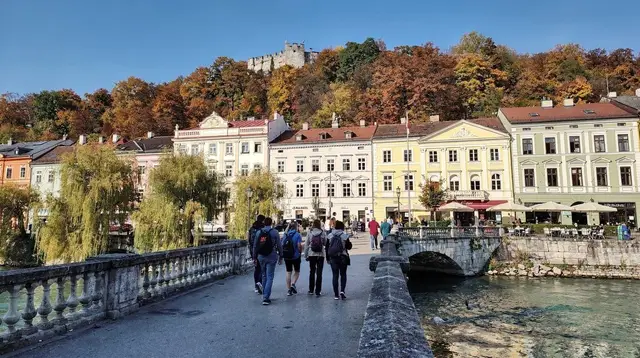
Ljubljana generally offers the widest range of options. It has the country’s largest concentration of hostels and budget eateries, plus a genuinely car-free historic core, which keeps the backpacker tier realistic here in a way it isn’t everywhere. It’s also where a city card makes the most sense to weigh up, since it bundles public transport, the castle, and a long list of museums into one prepaid figure — the arithmetic is laid out in our Ljubljana Card breakdown.
Bled is the opposite case: a small, famous lakeside town where a limited number of hotels and restaurants sit right on the water and price accordingly. Staying a short walk or a cheap bus ride from the lakefront, rather than directly on it, is one of the more reliable ways to keep a Bled stopover from skewing an otherwise modest trip. Many visitors skip an overnight there entirely and treat it as a day trip from the capital instead, which sidesteps the accommodation premium altogether.
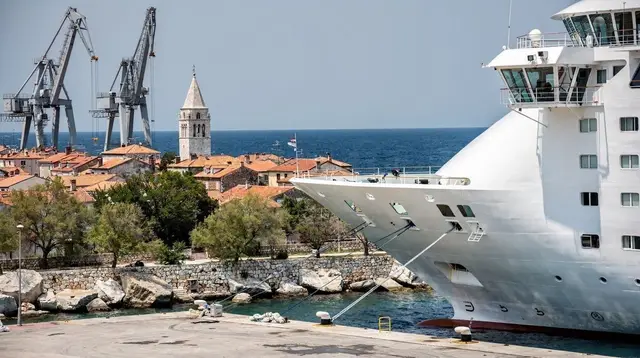
The Slovenian coast — Piran, Portorož, Izola, Koper — sits closer to Ljubljana’s mid-range level outside of peak summer weekends, when coastal hotels fill with both Slovenian and international visitors. Inland regions like the Vipava Valley or Karst tend to run a notch cheaper again, especially for food, since they’re less geared toward a single day-tripping crowd.
The Big One-Off Costs Worth Planning Ahead
A handful of expenses don’t fit neatly into a daily average because they’re paid once, not every day. Budgeting for them separately, before you land, avoids the surprise of a single afternoon costing as much as two ordinary days combined.
Marquee entrance tickets. Sites like Postojna Cave, Škočjan Caves, or Bled Castle each carry their own admission fee, and combination tickets (cave plus castle, for instance) can bring the per-site cost down if you’re visiting both. The specifics are covered ticket-by-ticket in the Postojna Cave guide and the Škočjan Caves guide, since these prices are updated more often than a general budget page should try to track.
A city card, if you’ll use it. The Ljubljana Card only pays for itself once you stack several museums, the castle, and a guided activity into the same day or two — it’s genuinely not a good deal for a light sightseeing pace. Run the math against your own plans in our dedicated comparison before assuming it’s a default purchase.
The motorway vignette, if you’re driving. Slovenia’s e-vinjeta is an electronic, weekly or monthly charge tied to your license plate, required on the motorway network and enforced with real fines. It’s a fixed cost independent of how far you actually drive, so it belongs in the “big one-off” column rather than the daily fuel budget. Full details, including which vehicle category applies, are in our vignette guide.
A rental car, or the alternative. Renting a car adds the vignette, fuel, and parking to your trip, but it also opens up regions that are slow to reach by public transport. Whether that trade-off is worth it for your itinerary is covered in the car rental guide and, for the opposite approach, our guide to seeing Slovenia without a car.
Sample Day Costs
Putting numbers against specific days makes the tiers above more concrete.
A day exploring Ljubljana’s old town on foot — pastries for breakfast, a wander through the market and up to the castle, a sit-down lunch, an evening riverside drink — comfortably fits the backpacker-to-mid-range band, since so much of the center (the Triple Bridge, the riverside promenades, Prešeren Square) costs nothing to see. Our breakdown of what a day in Ljubljana really costs walks through one such itinerary in detail.
A day trip to Bled adds a bus or train fare, castle admission if you go up, and the optional pletna boat ride to the island — worth budgeting a little more generously than a Ljubljana-only day, since the boat and church entrance at the island are separate, cash-friendly costs on top of any ticket you’ve already booked.
A Karst caves day (Postojna and Predjama Castle together, or Škocjan on its own) is one of the pricier single days on a Slovenia itinerary, since the entrance fees there are higher than almost anywhere else in the country — factor that in rather than averaging it against a quieter day.
A coastal day around Piran costs relatively little beyond transport and meals, since walking the old town, the waterfront, and the town walls is free; the main variable is how much you spend on seafood lunches with a view.
If you’d rather not build every day of a trip from scratch, our three-day Ljubljana itinerary sequences a realistic mix of free and paid activities across a short stay.
Cash, Cards, and Tipping
Card payments are widely accepted in Slovenia — hotels, restaurants, museums, and ticketed attractions in Ljubljana and the larger towns take cards without issue. It’s still worth carrying some cash for smaller guesthouses, market stalls, parking machines, and a handful of experiences that are traditionally cash-only, such as the pletna boatmen who row visitors to Bled Island. Tipping isn’t obligatory the way it is in some countries, but rounding up or leaving a modest tip for good service is common practice; the specifics by setting (restaurants, taxis, guided tours) are covered in our tipping guide.
One cost you can simply cross off the list: bottled water. Tap water in Slovenia is safe and good throughout the country, including in Ljubljana, where restaurants serve it without being asked. Skipping bottled water for a week adds up to a small but real saving — more on that in our tap water guide.
Booking Activities Without Blowing the Budget
Activities and guided tours are the category most likely to distort a daily average, because a single booking can cost as much as an entire day of food, lodging, and local transport combined. Rather than trying to fold tours into a per-day figure, it’s more useful to pick the two or three experiences you actually want and price those individually.
If you’re staying in the capital and want transport and sightseeing handled in one purchase, a Ljubljana city card covering public transport and around thirty attractions is worth pricing against your own must-see list before deciding whether it beats paying separately. Travelers short on time who still want a taste of the country beyond the capital sometimes book a single guided day covering Slovenia’s highlights in one day, which folds transport, a guide, and several stops into one line item — useful for comparing against the cost of renting a car and doing the same route independently.
For the adventure side of a Slovenia trip, a half-day whitewater rafting trip on the Soča River is a good example of a booked activity that’s genuinely worth pricing on its own rather than averaging in — it’s a highlight, not a daily habit. On the wine side, a wine-hopping afternoon through Ptuj, Slovenia’s oldest town bundles tastings and a guide into a single afternoon price, which is easier to plan around than estimating a string of separate tasting-room bills.
Whatever you book, treat these as deliberate splurges layered on top of the daily tiers above, not as part of an “average day.” A trip with two or three well-chosen paid experiences and otherwise modest daily spending will usually cost less overall than trying to squeeze a tour into every single day.
Money-Saving Habits That Actually Work
A few habits make a real difference to a Slovenia trip’s total cost without requiring you to skip anything you actually want to do. Walk rather than taxi within Ljubljana’s compact, largely pedestrianized center — most of what a first visit wants to see is within twenty minutes on foot, as covered in our first-time guide. Self-cater breakfast, or at least keep it to a bakery pastry, and save restaurant budget for one good meal a day rather than three.
Check whether a city card actually pencils out for your specific plans rather than buying one by default — it’s a real saving only when you’ll use several of the attractions it covers. Drink the tap water. And separate your “big experience” budget (caves, rafting, a guided day out) from your everyday spending, so one expensive but memorable day doesn’t make the rest of the trip feel over budget by comparison.
None of this requires currency planning, exchange fees, or converting prices in your head — the one genuine convenience of a country that’s used the euro since 2007. Decide on a daily tier, price your must-do activities separately, and the rest of the arithmetic in Slovenia is refreshingly straightforward.
Common Questions About Budgeting for Slovenia
Does Slovenia use the euro, or do I need to exchange money?
Slovenia uses the euro. It adopted the currency on 1 January 2007, the first of the ten countries that joined the European Union in 2004 to do so. There is no exchange rate to track and no currency to buy before arrival, whether you are coming from the eurozone or from a neighboring country with its own currency.
What’s a realistic daily budget for Slovenia?
Most travelers land somewhere between €50 and €170 a day depending on style. Budget travelers sharing dorms and cooking or eating simply can stay near €50-75. A comfortable mid-range trip with a private room, restaurant meals, and a couple of paid attractions runs closer to €120-170. Add a rental car, guided tours, or a nicer hotel and the figure climbs past €220.
Is Ljubljana more expensive than Bled or the Slovenian coast?
Ljubljana generally offers the widest spread of prices, since it has the most hostels, budget eateries, and free things to do. Bled is a small, postcard-famous lakeside town where accommodation and food near the water carry a premium. The coast (Piran, Portorož) sits closer to Ljubljana’s mid-range level outside of peak summer weekends.
Do I need cash in Slovenia, or can I pay by card everywhere?
Card payments are accepted almost everywhere in cities and at ticketed attractions. Carry some cash for smaller guesthouses, market stalls, parking machines, and services like the pletna rowing boats at Lake Bled, where boatmen are typically paid in cash.
What are the biggest one-off costs to plan for in Slovenia?
The largest single-day costs tend to be entrance tickets at marquee sites such as Postojna Cave or Škocjan Caves, a city card if you plan to use one in Ljubljana, and the electronic vignette required on Slovenian motorways if you’re driving. None of these are daily expenses, so it helps to budget for them separately from your everyday spending.
Is renting a car worth the extra cost in Slovenia?
It depends on your itinerary. A car pays for itself if you’re combining several regions in one trip, since public transport between areas like the Julian Alps, the Karst, and the coast can mean long connections. For a Ljubljana-and-Bled-only trip, buses and organized day tours are usually cheaper and simpler.
How much should I set aside for tours and activities?
Treat activities as their own budget line rather than folding them into your daily average. A single half-day tour, cave visit, or rafting trip can cost as much as an entire day of food and transport combined, so it’s worth listing the two or three experiences you actually want and pricing those individually before you travel.
Trip-planning essentials on GetYourGuide
Verified deep-linked GetYourGuide tours. Book through these links and we earn a small commission at no cost to you.
GetYourGuide does not provide a product photo for this activity — the image shows the meeting point, photographed by us.