Slovenia in One Week: The Multi-Base Road Trip
Most visitors who read how many days you need in Slovenia settle on a week, and then face a choice: base yourself in one place, or move around and sleep somewhere different most nights. Ljubljana in Seven Days is the easier version of that week — one hotel, day trips out and back. This itinerary is the other version: a multi-base loop that changes hotel five times in seven nights, in exchange for seeing the Julian Alps, the Adriatic coast and the eastern wine hills as their own places rather than as postcards seen on a screen at breakfast.
It only works because Slovenia is small. Bled is about 55 km from the capital, Postojna about 53 km, Piran around 120 km, Maribor about 130 km. None of those numbers sound impressive next to a country like France or the US, and that is precisely the point: you can treat the whole country as a loop rather than a single hub with spokes.
What This Route Covers
| Night | Base | What fills the day |
|---|---|---|
| 1 | Ljubljana | Old town, castle, Plecnik’s riverside |
| 2 | Bled | Transfer + first lake views, sunset |
| 3 | Bled | Full lake day, Vintgar Gorge |
| 4 | Soca Valley (Bovec) | Vrsic Pass drive, river activities |
| 5 | Piran | Coast transfer, old town, sunset |
| 6 | Ljubljana | Postojna Cave + Predjama en route back |
| 7 | Ljubljana | Maribor wine day trip, return for departure |
A car is not optional on this route — it is the entire premise. Renting a car in Slovenia is straightforward, and pickup at Ljubljana Airport is the natural start and end point since this loop returns there.
Before You Drive: Buy the e-Vinjeta First
This is the mistake this itinerary exists partly to prevent. Slovenia’s motorway toll is a fully electronic vignette (e-vinjeta) — there is no sticker to buy at the border anymore, and there is no toll booth to pay at either. You register your license plate online or at a petrol station before you enter the motorway network, and driving without a valid e-vinjeta is fined on the spot if checked. A standard car needs category 2A: 16 EUR for a week, which comfortably covers this whole trip. Buy it on arrival, before you leave the airport rental lot, not on the morning you first hit the A2 toward Bled. The full breakdown, including the taller-vehicle category, is in the Slovenia vignette guide.
Day 1: Ljubljana
Land, collect the car, buy the e-vinjeta, and drop the bags — the historic center is car-free, so where to stay in Ljubljana matters more here than the car itself will for the next 24 hours. Walk into the old town between the Triple Bridge and Preseren Square, then follow the Ljubljanica embankments that Joze Plecnik shaped over four decades of building. That body of work — bridges, riverside colonnades, the market halls, the National and University Library — was inscribed as a UNESCO World Heritage Site on 31 July 2021, and it is worth reading the story behind it at Plecnik’s UNESCO heritage before you start noticing his signature everywhere.
In the afternoon, ride the funicular up to Ljubljana Castle for the view over the terracotta rooftops to the Alps on a clear day, then come back down and let the free electric Kavalir shuttle carry you around the pedestrian zone if your feet need a break — it runs daily from 6:00 to 22:00 and takes up to five passengers at a time, no fixed stops.
If you want the castle, a river cruise, unlimited city buses and a long list of museums bundled into one purchase, weigh it against paying separately with the Ljubljana Card, which is genuinely worth doing the math on rather than assuming — see is the Ljubljana Card worth it for the exact break-even point. Spend the evening around Metelkova or back along the river, where restaurants serve the tap water without anyone asking for it, because it is some of the best drinking water in Europe.
Day 2: Ljubljana to Bled
Spend the morning finishing anything left over from Day 1 — the central market, a museum, or simply a slower walk through streets that get crowded by midafternoon. Then drive the roughly 55 km northwest to Bled, about 45 minutes on the A2 motorway (your e-vinjeta is already covering this). Check in, and use the remaining daylight for a first loop of the lake on foot — about 6 km, two flat hours — ending at one of the viewpoints above the water for sunset over the island and the perched castle. Save the boat trip and the castle interior for tomorrow, when you will have the full day.
Day 3: Lake Bled and Vintgar Gorge
This is the day Bled earns its postcard reputation, and also the day to see past it. Cross to the island by pletna, the traditional flat-bottomed boat rowed standing up by a single boatman — budget on the order of 20 EUR per adult round trip, paid in cash to the boatman, with roughly a half-hour wait to board. Climb the 99 steps to the Church of the Assumption (entry is separate, around 12 EUR, and includes the bell tower and a small museum); nobody publishes an official combined price for the boatmen, which is exactly the kind of thing covered in the price nobody publishes about the pletna boatmen.
In the afternoon, drive or take the shuttle to Bled Castle — sorry, to Bled’s own hilltop castle, perched above the lake rather than in Ljubljana — where the full adult ticket runs 19 EUR and includes the viewing terraces and small museums inside. If you have energy left, Vintgar Gorge is a short drive away: a wooden walkway threaded above the turquoise Radovna River, 15 EUR for adults, open only from April to November, and it now requires booking a timed entry slot online in advance — there is no walk-up ticket anymore.
Consider parking, since parking in Bled fills the central lots fast in summer; there is no entry toll to the town itself, only paid parking zones, so ignore anything you read online about a Bled “access tax.” If crowds are the concern more than sights, avoiding crowds at Bled and the honest comparison in Bled vs Bohinj are both worth reading before you commit your one Bled day to the busiest hours.
Day 4: Bled to the Soca Valley via Vrsic Pass
This is the most dramatic driving day of the week, and one reason this multi-base itinerary exists at all — you cannot do this drive as a day trip and come back the same night without losing most of the point. From Bled, head toward Kranjska Gora and then climb the Vrsic Pass, Slovenia’s highest mountain road, with its famous 50 hairpin bends switch-backing up through pine forest to bare rock above the treeline. The pass is closed by snow in winter, so this leg only works roughly from late spring to autumn — check conditions if you are traveling outside peak summer.
Descend the western side into the Soca Valley, where the river runs an almost unreal emerald green through limestone gorges. Base yourself in Bovec, the valley’s activity hub. If you arrive with energy left in the afternoon, this is prime territory for the Soca River Experience, whether that means rafting, a gentler float, or simply a guided walk along the banks.
The valley was also the front line of the brutal Isonzo campaigns of the First World War, and Kobarid’s small museum tells that history without romanticizing it — a sobering counterpoint to a valley that photographs like paradise. Spring visitors will find the river running higher and colder, which is covered in the best time for the Soca Valley.
Day 5: Soca Valley to Piran
Use the morning for one more valley activity, whether that is kayaking, canyoning, or just driving the short loop between Bovec, Kobarid and Tolmin for the viewpoints over the river gorges. Then head south and west toward the coast — the route runs down through Nova Gorica and along the Vipava Valley before reaching the Adriatic, a drive of roughly two and a half to three hours depending on your exact stops.
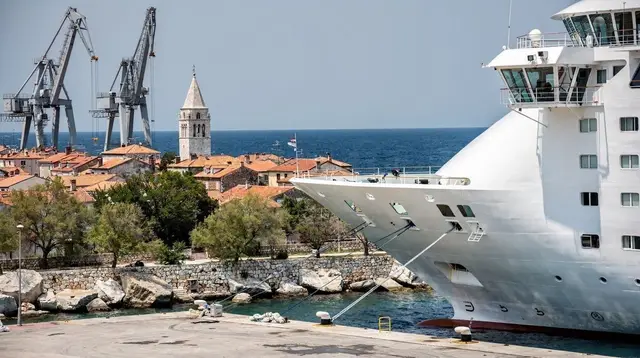
Piran is Slovenia’s Venetian town, and it looks the part: Tartini Square opens onto narrow lanes that climb to town walls with views across the water to Italy on a clear day. Settle into the old town on foot — cars are restricted inside it, much like Ljubljana — and spend the evening watching the light change over the harbor.
If you want a wider view of the whole coastline in one outing rather than staying only inside Piran’s walls, the Panoramic Slovenian Coast Tour covers Portoroz, Izola and Koper alongside Piran itself. For context on why this stretch feels so different from the rest of the country, Piran’s Venetian memory is worth a read over dinner.
Day 6: Piran to Postojna Cave, Back to Ljubljana
This is the longest single travel day of the week, so start early. Leave Piran and drive inland toward Postojna, a trip of roughly an hour and a half. Book your timed entry to Postojna Cave in advance — the official ticketing system requires choosing a specific date and hour, so walk-up visits are unreliable in high season.
The visit runs roughly ninety minutes, part of it aboard the underground train that carries you deep into the karst system. If you have time, combine it with Postojna Cave Day Trip, which typically pairs the cave with nearby Predjama Castle — the fortress built directly into a 123-meter cliff face, the largest cave castle in the world, only 9 km away.
Bring a light jacket regardless of the season outside: the cave sits at a constant 8-12°C year-round, and forgetting this in the middle of a hot August afternoon is one of the most common regrets travelers report, as covered in why you need a jacket in the caves in August. If you would rather compare Postojna against Slovenia’s other UNESCO-listed cave system before choosing where to spend your time, Postojna vs Skocjan Caves lays out the real differences — mainly that Skocjan trades the train for a suspended footbridge over a genuine underground canyon.
From Postojna, it is under an hour back to Ljubljana on the motorway. Spend the night in the capital again, ready for a lighter final day.
Day 7: Maribor and Wine Country, Then Departure
Slovenia’s wine country sits mostly to the east, and Maribor makes a manageable day trip from Ljubljana — about an hour and a half each way. Maribor itself holds an unusual claim: a vine still growing and producing fruit on a house facade along the Lent riverside, documented at over 400 years old, generally credited as the oldest living vine in the world still yielding grapes. Read the story of how a single plant became a genuine tourist attraction at the world’s oldest vine as a tourist attraction before you see it in person — the vine itself is modest; the fact that it has survived four centuries of history is not.
Spend the rest of the day tasting in the surrounding hills, whether through an organized outing or a guided regional day booked out of the capital, then structure your afternoon around old-vine wine tasting in Maribor for specific cellars worth the detour. Drive back to Ljubljana in the evening — traffic on this stretch is light outside rush hour — and return the rental car near the airport ahead of a morning flight, or spend a last, calmer night in the capital if your schedule allows an extra evening.
FAQ: Planning a One-Week Slovenia Road Trip
Do I need a 4x4 or special car for the Vrsic Pass?
No. A standard rental car handles the Vrsic Pass in dry summer conditions without any special equipment; the road is paved and well-maintained, just narrow and steep with 50 numbered switchbacks. It closes with the first serious snowfall and typically reopens in late spring, so it is only part of this route roughly between late May and October — check current conditions before you commit to this leg outside high summer.
Can I do this itinerary without a car?
Not really, and that is the honest answer. This specific route depends on the Vrsic Pass drive and on reaching the Soca Valley and back-country stretches that public transport barely serves. If you want to see Slovenia without driving, Slovenia without a car covers a workable alternative built around trains, buses and organized day tours from a single base.
Is one week really enough, or should I cut a stop?
One week is enough to see all six bases listed here without feeling rushed, provided you accept some driving days as travel days rather than sightseeing days — Day 4 and Day 6 are both transfer-heavy. If you would rather add slack, the easiest stop to cut is the Maribor day trip, turning this into a six-day loop with an extra relaxed morning in the capital.
What is the e-vinjeta and where do I buy it?
It is Slovenia’s mandatory electronic motorway toll, replacing the old paper sticker entirely. There is nothing to display on the windshield — your license plate is registered against a paid period, checked electronically. Buy it online, at a petrol station, or at the border before your first motorway stretch; a one-week pass for a standard car (category 2A) costs 16 EUR. Full details, including the higher-vehicle category, are in the Slovenia vignette guide.
Is it safe to swim at Lake Bled or in the Soca River?
Lake Bled is generally calm and swum in regularly during summer, with designated bathing areas near the lakeside path. The Soca River is a different matter: it runs cold and fast even in summer, and its striking green color hides real current in places, which is exactly why the valley’s rafting and canyoning outfitters run guided rather than self-directed trips for most visitors.
Do I need to book Postojna Cave and Vintgar Gorge in advance?
Yes, both now require a timed entry booked ahead through their official websites — walk-up tickets are not reliable, especially in July and August. Vintgar is also seasonal, open only from April to November depending on weather, so it is not available at all on a winter version of this route.
Are there border checks between Slovenia and its neighbors?
Slovenia is a Schengen country, but temporary border controls have been reintroduced on its borders with Croatia and Hungary since October 2023 and have been repeatedly extended, currently through 21 December 2026. This route does not cross those borders, but if you extend the trip toward Zagreb, budget a few extra minutes for a possible passport check.
What should I pack for a week that includes caves, mountains and the coast?
Layers are the short answer. Postojna Cave sits at a constant 8-12°C regardless of the season outside, the Vrsic Pass can be noticeably cooler than the valley floor, and Piran in summer runs properly hot and humid by the coast. A light jacket that packs down small solves the cave and mountain legs; everything else is standard warm-weather travel gear.
tours.7 days
Verified deep-linked GetYourGuide tours. Book through these links and we earn a small commission at no cost to you.
GetYourGuide does not provide a product photo for this activity — the image shows the meeting point, photographed by us.