Slovenia Weather by Month: A Region-by-Region Guide
What is the best month to visit Slovenia for good weather?
There is no single answer, because Slovenia has three climates within a two-hour drive of each other. September and October generally give the best balance nationwide: warm days, cool nights, and fewer crowds. But Kranjska Gora at 810 meters can see its first snow in early December while Piran on the coast stays mild with a Mediterranean climate well into November.
One Country, Three Different Forecasts
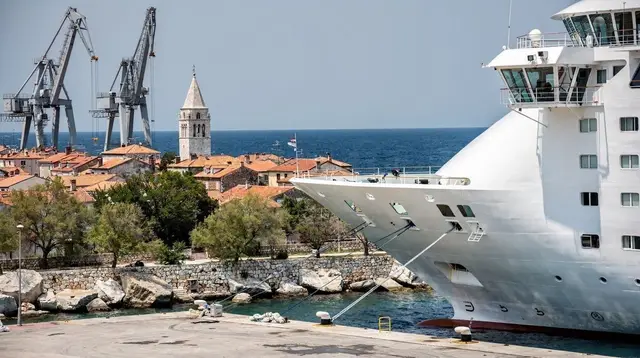
Ask “what’s the weather like in Slovenia in March” and the honest answer is: which Slovenia? A country of just 20,271 km2 sounds too small to need a caveat like that, but the elevation swing between its regions does more work than the distance between them. Kranjska Gora sits at 810 meters at the foot of the Julian Alps. Ljubljana, barely 90 km away, sits at around 295 meters in a river basin. Piran, on the Adriatic, is at sea level with a genuinely Mediterranean climate. Drive from one to the other in a single afternoon and you can go from a light jacket to shirtsleeves.
This page breaks the year down month by month, with that altitude gap built in from the start, so you can compare flight dates against what actually happens on the ground in the region you’re heading to. It works alongside our seasonal guides to Slovenia in summer, autumn, winter and spring, which go deeper on what to do in each season — this one is built for comparing specific months against each other before you book.
Slovenia’s Three Climate Zones at a Glance
| Zone | Typical elevation | Climate character |
|---|---|---|
| Ljubljana, Bled, Karst interior | 300–600 m | Continental: warm-to-hot summers, cold winters, distinct seasons |
| Julian Alps (Kranjska Gora, Bovec, high Bohinj) | 500–2,800 m | Alpine: short summers, long snowy winters, dramatic swings by altitude |
| Adriatic coast (Piran, Portoroz, Izola, Koper) | 0–100 m | Mediterranean: mild, wetter winters and warm, dry summers |
Keep this table in mind as you read the month-by-month notes below — a single “average” temperature for Slovenia would blur three genuinely different experiences into one useless number.
Month-by-Month Weather in Slovenia
January
The coldest month almost everywhere. Ljubljana typically hovers close to freezing, with grey, foggy stretches that can sit in the river basin for days. The Julian Alps around Kranjska Gora are firmly in winter, with reliable snow cover for skiing. The coast is the exception: Piran rarely drops below freezing, and a January weekend on the Slovenian coast can still mean a coat-off walk along the harbor at midday. Inland caves like Postojna and Skocjan stay at their year-round 8–12°C regardless of what’s happening outside — see our cave temperature guide before you pack.
February
Similar to January in the lowlands, often the snowiest month in the high Alps as winter systems keep stacking up snow at altitude. This is prime time for skiing in Kranjska Gora, and Vogel and Krvavec both usually have solid cover. Ljubljana can swing between crisp, clear days and damp fog. The coast starts hinting at spring by late February, with almond blossoms sometimes appearing around Piran and Portoroz well before anything blooms inland.
March
The transition month, and an unreliable one. Ljubljana can produce a genuinely warm, sunny week or a cold snap with sleet in the same fortnight. In the Alps, snow is still very much present at altitude even as valley floors start to thaw — this is a bad month to assume mountain roads are fully clear. Vintgar Gorge is typically still closed in early March (it usually opens in April) and reopens as conditions allow; check our Vintgar guide before planning around it. The coast is the most pleasant part of the country this month, often 5–8 degrees warmer than Ljubljana on the same day.
April
Spring arrives properly. Ljubljana’s parks green up, days lengthen noticeably, and temperatures become genuinely comfortable for walking the Triple Bridge and the riverside quays. Vintgar Gorge typically reopens for the season. In the Julian Alps, snowmelt swells rivers — the Soca starts running high and cold, which matters if rafting is on your list (more on that below). Rain is common everywhere in April; pack a shell rather than relying on sunshine.
May
One of the best-balanced months nationwide. Ljubljana settles into warm, long days without summer’s heat. This is also when the Bovec-Bohinj adventure circuit starts to make real sense, with snowmelt still feeding the Soca’s famous emerald color but water levels beginning to settle. If you want a taste of the region’s whitewater without the full heat of summer, a Bovec and Bohinj adventure day trip from Bled is a good way to combine both landscapes in a single outing. High alpine trails can still hold snow patches into late May, so this is not yet the month for the Triglav summit.
June
Summer arrives, sometimes abruptly. Ljubljana regularly climbs into the high 20s and can push past 30°C on hot spells, and humidity in the basin makes it feel warmer than the number suggests. The Julian Alps are at their most accessible: rivers have settled from spring’s peak but still run with strong current, making June a serious month for the Soca Valley’s best rafting window. The coast turns properly warm for swimming, and this is roughly when the crowds at Bled start building — see our notes on avoiding crowds at Bled if a quieter visit matters to you.
July
Peak summer heat inland. Ljubljana can be genuinely hot and sticky, which is part of why the caves’ constant 8–12°C feels almost shocking by comparison — bring a jacket even in July, it is the single most common packing mistake visitors make here. The Soca Valley is in full rafting and canyoning season, with warm air making the cold glacial water far more bearable; a whitewater rafting run on the Soca River is at its most pleasant this month. The coast is at its busiest and warmest, ideal for swimming but also the priciest and most crowded time to book accommodation in Piran or Portoroz.
August
The hottest month in most of the country, and the busiest on the coast and at Lake Bled. Ljubljana can be uncomfortably warm in the afternoon; mornings and evenings are far more pleasant for sightseeing. This is also, counterintuitively, the driest window for Lake Cerknica: by August its water has typically drained away entirely through the karst underground, leaving meadows where a lake stood in spring — a genuinely disorienting sight if you arrive expecting open water. For a warm-weather outing that plays to the season’s strengths, a panoramic day along the Slovenian coast pairs well with an August itinerary built around swimming and seaside towns.
September
Many locals consider this the best month of the year, and the weather backs that up. Heat breaks in Ljubljana without temperatures dropping uncomfortably, the coast stays warm enough to swim, and the worst of the summer crowds at Bled and Piran thin out noticeably. In the Julian Alps, this is also a strong window for hiking before autumn weather turns unpredictable at altitude. Vineyards in the Vipava Valley and Goriska Brda begin harvest, adding a seasonal reason to head east. For a broader look at how the growing season shapes a visit to these areas, see our Slovenian wine regions overview.
October
Autumn colors peak in the Alps and around Bled and Bohinj, and daytime temperatures across the country turn crisp rather than cold. Rain becomes more frequent, particularly in the mountainous west, so pack for showers. The coast holds onto mild weather longer than anywhere else, often still comfortable for a coastal walk in a light jacket into late October. This is a strong month for photography light, and our creative photography-focused tour notes on the Soca Valley’s autumn colors are worth checking before a visit.
November
The wettest month for much of the country, and the point where the Alps’ seasons genuinely diverge from the lowlands. Kranjska Gora can see its first proper snow by late November even while Ljubljana is still sitting at a damp, grey, above-freezing autumn. The Vrsic Pass typically closes to regular traffic around this point as snow builds on its hairpins. It’s a quiet, low-season month almost everywhere — useful if budget and empty streets matter more to you than sunshine, but not the month to plan an alpine hiking trip.
December
Winter sets in properly at altitude while Ljubljana turns festive rather than frozen. The Ljubljana Christmas Market runs through the month along the river, often in cold-but-bearable conditions rather than the deep snow of the mountains. Kranjska Gora usually has skiable snow by this point, and a guided winter tour into Triglav National Park is a good way to see the Alps in full winter condition without driving unfamiliar mountain roads yourself. The coast, true to form, remains the mildest corner of the country even in the depths of December.
How Altitude Changes Everything
The single fact worth carrying through this whole page: Slovenia’s weather is really a function of elevation more than of latitude or season alone. Kranjska Gora, at 810 meters, can be under snow while Ljubljana at under 300 meters sees only rain, and Piran at sea level sees neither.
This is why a trip that mixes a few days in the capital, a detour into the Julian Alps, and a stretch on the coast can feel like visiting three different countries’ worth of weather in one week — and why packing a layer for every elevation you’ll actually visit matters more than checking a single national forecast. If your dates are flexible, our guide to what to book in advance and the car-free travel notes can help you match an itinerary to the weather window you’re aiming for.
In practice this means packing for the coldest place on your route rather than for the average of everywhere you’re going. A traveler splitting a week between Ljubljana, Kranjska Gora and Piran should dress for the mountains even in shoulder season, since a warm, sunny morning by the Ljubljanica says nothing about conditions a thousand meters higher. The reverse mistake is just as common: visitors who bundle up for the whole trip because the Alps are cold end up overdressed and uncomfortable on the coast, where a Mediterranean afternoon can feel a full season ahead of the capital.
Matching Your Dates to What You Want to Do
If a single activity is driving your trip more than a general season, it’s worth checking that activity’s own window rather than relying on month-by-month averages alone. Whitewater season on the Soca peaks from late spring into early autumn, as covered in our Soca River rafting guide; paragliding in the Soca Valley tracks a similar calendar, since it needs settled air rather than the swollen, unpredictable water of early spring runoff.
Hikers aiming for the summit have a narrower window still — climbing Mount Triglav is realistically a summer undertaking, since snow and ice can linger on the via ferrata routes well after the lowlands have warmed up. Skiers should read the calendar in reverse: Vogel and Krvavec hold their most reliable snow through the heart of winter, the same months that make the Alps least appealing for hiking.
Travelers who care more about avoiding crowds than chasing sunshine have their own version of this trade-off. Lake Bled and Ljubljana’s old town are at their busiest in the height of summer; shoulder months bring noticeably thinner crowds without giving up much comfort, which is part of why our Ljubljana old town walking guide is worth reading regardless of which month you land in.
Wildlife watchers benefit from similar shoulder-season logic — spring and early autumn tend to bring more visible activity in Triglav National Park than the heat of midsummer or the depths of a snowy January; our wildlife and nature watching guide goes into more detail on what to expect and when. And for travelers weighing cost alongside weather, the quieter shoulder and low seasons line up with the cheapest accommodation rates across the country — see our daily budget guide for how much that swing can matter to a trip’s total cost.
FAQ: Planning Around Slovenia’s Weather by Month
When does it start snowing in Slovenia?
It depends entirely on elevation. Kranjska Gora and the high Julian Alps can see the first snow in late November or early December, while low-lying Ljubljana usually gets its first real snowfall in December or January. Piran on the coast rarely sees snow at all.
Is Ljubljana’s weather very different from Lake Bled’s?
Not dramatically. Bled sits only about 55 km from Ljubljana and at a similar elevation, so both share a continental climate with warm summers and cold winters. The visible difference is more about fog: Bled’s lake basin holds morning mist more often than the capital.
What is the coldest month in Slovenia?
January is typically the coldest month across the country, with Ljubljana hovering around or below freezing overnight and the Julian Alps considerably colder. The Adriatic coast around Piran stays the mildest part of Slovenia through winter.
Is the Slovenian coast warmer than Ljubljana year-round?
Yes. Piran, Portoroz, Izola and Koper sit at sea level with a Mediterranean climate, so they run several degrees warmer than inland Ljubljana in every season, most noticeably in winter and early spring.
When is the Soca Valley best for rafting?
Late spring through early autumn, roughly May to September, is the main rafting season, when snowmelt keeps the river flowing and air temperatures make getting wet comfortable. Spring water is higher and colder, which suits more adventurous paddlers.
Do the Postojna and Skocjan caves have their own microclimate?
Yes, and it never changes with the calendar. Both cave systems sit at a near-constant 8 to 12 degrees Celsius all year, so a light jacket is necessary even during a 30-degree August afternoon outside.
What is the rainiest time of year in Slovenia?
Late autumn, particularly November, tends to bring the most persistent rain across the country, and the mountainous west can be notably wetter than the Karst or the coast at any time of year.
When does the Vrsic Pass close for winter?
The Vrsic Pass typically closes to regular traffic once snow makes its 50 hairpin bends unsafe, usually sometime in late autumn, and reopens in spring once the road is cleared. Exact dates shift with the season, so check conditions before planning a crossing.
Seasonal experiences on GetYourGuide
Verified deep-linked GetYourGuide tours. Book through these links and we earn a small commission at no cost to you.
GetYourGuide does not provide a product photo for this activity — the image shows the meeting point, photographed by us.